
Are You Living on Low Battery?
I was living at about 50% and didn’t even know it.
I was showing up, getting through my days, and even making progress. But underneath it all, something just felt off. You know that feeling?
Two moments finally made it obvious:
1. The first happened a few weeks before my wedding. I sat down to write an article and nothing came out.
I stared at the screen. The cursor blinked and my brain felt flat. Not tired exactly, just slow — like the ideas were there somewhere, but the connection wasn’t happening. I told myself it made sense. Big life stuff, totally normal.
2. The second happened during Squatober, a training program where you squat every day for the entire month of October.
About three weeks in, I loaded 300 pounds on the bar. A weight that should’ve felt heavy but familiar. Instead, it felt like 500. Just awful. Like my nervous system was rejecting it. I chalked it up to a bad day. Maybe I just needed more caffeine or an extra rest day.
The Charging Moment
After the honeymoon, I sat down to write again. Five articles came out in one week. The ideas flew out of my brain, and I felt like myself. After I recovered from Squatober, the same weights moved the way they were supposed to. The bar felt fast. I felt strong again.
That’s when it hit me: those two moments weren’t just random days where I wasn’t “on.” They were the same problem showing up in two different places.
I was living on low battery. And I didn’t see it until I was charged back up. But once I saw it, I couldn’t unsee it.
The Real Cost of Living on Low Battery
Once I saw it, I started seeing it everywhere. In my own life and in the people I work with.
A lot of people are living here without realizing it. Some would call it mental burnout. Others physical burnout. Most don’t call it anything at all. They just assume this is what adulthood feels like.
Here’s what living on low battery actually looks like.
Everything takes more effort than it should.
Workouts feel heavier, recovery drags and energy relies a little too much on caffeine.
Small things become major annoyances
Motivation comes and goes for no obvious reason.
Eventually, you stop questioning it and it just becomes normal. And that’s the REAL cost of living on a low battery: losing perspective on what feeling good actually feels like.
You forget what it’s like to wake up clear-headed, to move through the day without random aches. and to train with momentum instead of dragging yourself through it. You stop having that amazing but underrated thought - Wow, today actually feels pretty good.
When you’ve been running low long enough, that version of life fades from memory. So instead of questioning it, you explain it away.
“It’s probably age.”
I’m just busy right now.”
“I need to push harder.”
But maybe none of that is true! Maybe you’re just running at 20% and wondering why everything feels so dang hard.
If that’s you, here’s how to charge back up.
How To Feel “Normal” Again
“Sleep more, eat better, and exercise. That’s it, that’s all you have to do.”
That’s what most people recommend. But I know that’s absolute BALONEY because I was doing all those things and still feeling drained. So, take that baloney and get the heck out of here. I’m more of a ham guy anyway.
Anyway, the solution is simple but not easy:
1. First, identify the things that add stress to your life.
This is trickier than it sounds because many stressors are good ones: work, exercise, mental challenge. Others are clearly not so great: poor sleep, too much alcohol, relationship stress, endless scrolling.
You have to look back at your week and be honest. What inputs—good or bad—are actually draining you? If you don’t slow down long enough to see that clearly, nothing else works.
2. Next, reset expectations.
I know how hard this is, because I struggle with it too.
But maybe expecting to work sixty hours a week, train ten hours a week, and feel great every day is unrealistic. You might get by. You might even feel okay. But firing on all cylinders at that level of output, day after day, without cocaine?
Not happening for most people.
So level with yourself. Maybe it’s fifty hours of work and five hours of training. Maybe it’s an extra easy week every month. The exact answer depends on your age, capacity, and life situation, but resetting expectations matters.
The fastest way to feel worse is to set the bar too high, miss it, and then decide you’re failing.
3. Last, implement regular self check-ins.
This is harder than it sounds. It’s basically what I’m doing with this article—pausing long enough to ask whether my approach is actually working.
Effort is beautiful. Work unlocks a lot in life. That’s where people like you and me can get carried away. But when work stops producing results—when focus drops or training feels miserable—more effort becomes counterproductive.
My simple monkey brain wants effort to be linear: work more, get more.
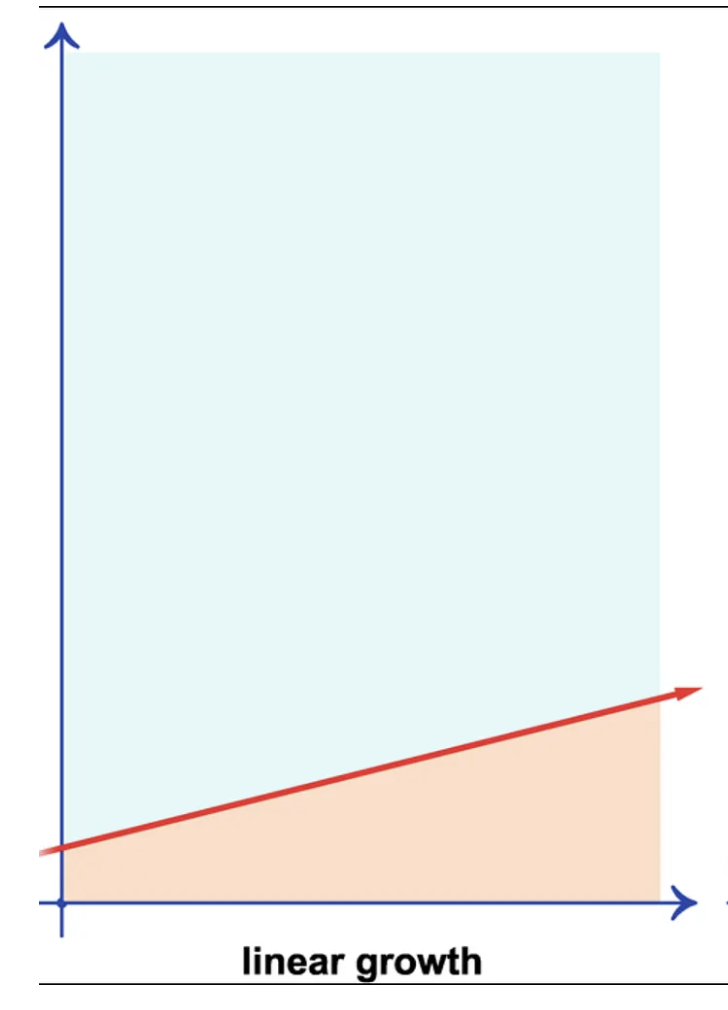
In reality, it’s closer to the Yerkes–Dodson curve. There’s a sweet spot, and past it, performance drops.
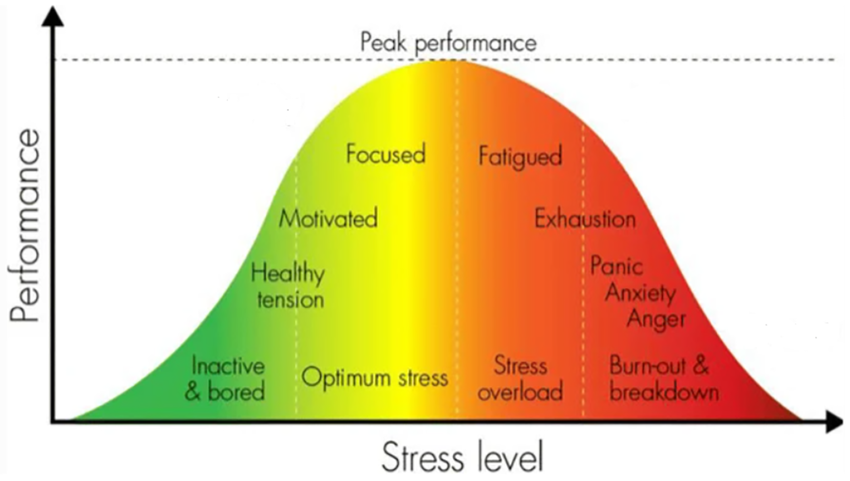
Avoiding burnout—and living well—comes down to knowing where you are on that curve and staying off the downward slope as much as possible.
Final Thoughts - Feel Like Yourself Again
Of course, I help people lose fat, gain muscle, and improve their health. But what I really help people do is start feeling like themselves again.
Clear in their head.
Capable in their body.
Strong without feeling fried.
Consistent without white-knuckling it.
Confident that their plan actually fits their life.
If that sounds like you and you’re ready to make a change, you can learn more about coaching below.
Best,
John
P.S. We picked up Mabel and she is the SWEETEST girl.



3 Steps You Can Take
Apply for coaching - If you’re ready to start, you can fill out a coaching application here (it takes 90 seconds or less). Best case, you change your life. Worst case, I’ll help you draw up a road map to get closer to your goals.
Sign up for my newsletter - If you’d like to hear more, sign up for my mailing list here.
Keep learning - You can check out my other articles here. Nobody asked me to, but I’ve spent a ton of time researching everything from artificial sweeteners to saturated fat to testosterone and more, so you don’t have to.
