
Should You Work Out When You’re Sick?
You wake up sick. Should you work out?
The internet will confidently give you two answers:
Absolutely not. Your body is already stressed. Rest. Don’t be a dummy.
Obviously yes. You’re not that sick. A little movement will help. Stop being soft.
Neither answer is helpful.
The problem is the word “sick.” It’s a catch-all for a dozen different situations.
A head cold.
Bad sleep and stress.
Seasonal allergies.
A stomach bug.
The flu.
A chronic condition flaring up.
The language we use around sickness treats it like a switch. On or off. Yes or no. Your body doesn’t work that way.
Training stress, life stress, poor sleep, illness, and recovery all pull from the same bucket. When that bucket is already full, adding more stress — even “healthy” stress — can backfire.
That’s why two people who are “sick” need completely different answers.
One person slept 8 hours, has a mild head cold, and feels fine otherwise.
Another slept 4 hours, hasn’t eaten much, and has a 103 fever.
Same word, very different situation.
And when you’re sick, you’re the worst person to judge it accurately. Fatigue lowers patience, medications dull signals, and discomfort makes everything feel heavier.
So you either:
Push when you should rest
Or rest when light movement would actually help
Neither is ideal.
That’s why vague advice like “listen to your body” isn’t enough. You need something more concrete: a way to check your instincts against reality.
Below is a simple, no-guilt checklist to help you decide whether working out sick will help you recover, or just dig the hole a little deeper.
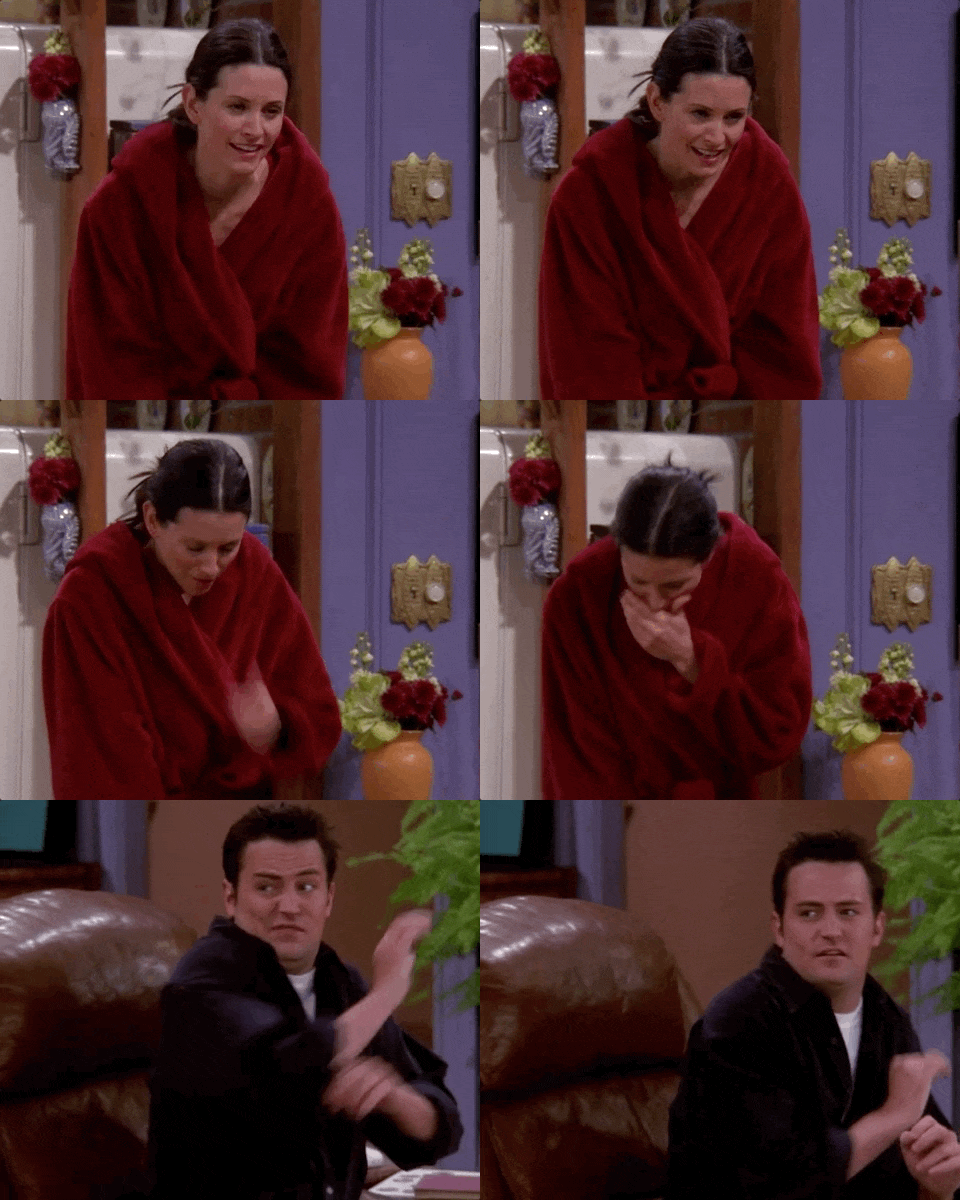
Hard Pass: Don’t Work Out
If you can answer yes to any of these, skip the workout.
Fever ≥ 100°F in the past 24 hours
<5 hours of sleep last night
Vomiting, diarrhea, or unable to keep food down in the past 24 hours
Flu, COVID, or another systemic illness
Chest pain, shortness of breath at rest, dizziness, or lightheadedness
Resting heart rate clearly higher than your normal
These all “duh” signs that your system is already overloaded and you need to rest.
The Tough Call: The Gray Zone
This is where most people get tripped up. You’re not deathly ill. But you’re definitely not 100%.
If you answer yes to two or more of the following, skip the workout. If it’s one or none, light, modified movement may be reasonable.
You feel below ~80% in energy, focus, or motivation
Your appetite is noticeably off
You slept <6 hours last night
You have body aches beyond normal training soreness
Mild fever <100°F
Resting heart rate slightly elevated
Symptoms are below the neck (chest congestion, deep cough)
If You Do Work Out While Sick, Here’s How (And Why)
This is not a normal workout! If you choose to move, the goal is blood flow and routine, not going balls to the wall.
Here’s how to do it right:
Cut volume and intensity by 30–50%
Skip hard lifts, intervals, and PRs
Choose walking, easy biking, mobility, or very light strength
Rest more than usual and keep breathing easy
Stop if symptoms get worse during the session
Why?
When you’re sick, your body is already working hard to heal.
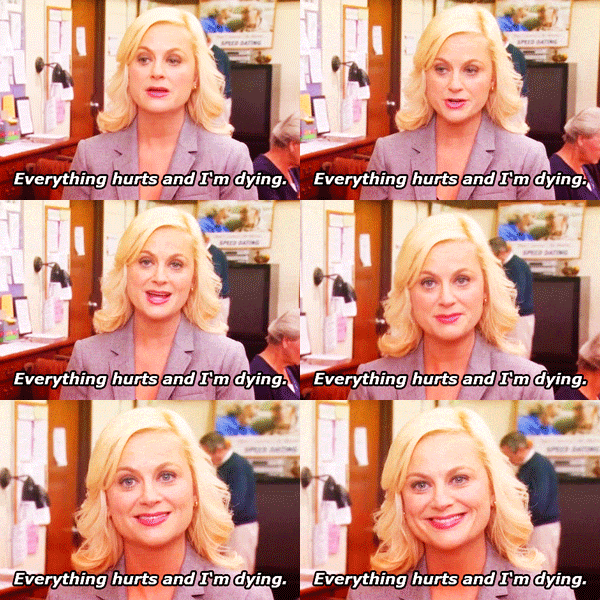
Tough workouts pull energy away from your immune system and raise stress hormones. That can slow recovery and increase injury risk.
Light movement keeps stress low while still helping circulation, mood, and stiffness.
If you feel better afterward, it was the right call. If you feel worse, no big deal. Rest a few more days and try again later.
Why Light Movement Sometimes Helps
When you’re mildly sick, light movement can help, but only in the right context.
Easy activity increases blood flow, which can temporarily reduce stiffness, congestion, and that “blah” feeling. It can improve mood, normalize appetite, and help you feel more like yourself for the rest of the day.
This works best when:
Symptoms are mild
Sleep is decent
You’re eating and hydrating normally
Once illness becomes systemic — fever, deep fatigue, body aches, GI symptoms — those benefits disappear. At that point, movement stops helping and starts stealing resources your body needs to recover.
That’s the line you don’t want to cross!
Does Skipping a Few Workouts Even Matter?
In isolation? Nah.
Missing a day or two, even a full week, won’t meaningfully hurt your fitness.
What does matter is the pattern you reinforce.
If you always push when your body is clearly asking for rest, recovery suffers and progress slows. If you always shut things down at the first sign of discomfort, consistency erodes. The goal is to listen to your body and make good decisions often enough that training keeps moving forward over months and years.
Knowing when to push vs. when to protect is a skill.
It separates people who stay consistent for decades from people who are always restarting. Early on, progress comes from effort. Later, it comes from discernment.
Anyone can train on good days. The long game is learning how to respond to the imperfect ones — stress, poor sleep, travel, minor illness — without turning them into excuses or setbacks.
Listen To Your Body (And Sometimes Ignore It)
If you take one thing from this, let it be this: There’s no badge of honor for pushing through the wrong kind of sickness. And there’s no failure in resting when your body genuinely needs it.
When your body is yelling — fever, body aches, GI issues, deep fatigue — listen and rest.
But when your body is whispering — a slightly runny nose, mild fatigue, a little stiffness from bad sleep — don’t automatically shut everything down.
Use the checklist. Take emotion and identity out of the decision.
Make the call.
Modify when appropriate.
Rest when it’s clearly warranted.
Then move on with your day without guilt
That’s how training stays sustainable , even when life (and illness) gets in the way!
If this helped, save it. Share it with the friend who always tries to “tough it out.” And the next time you wake up sick, you won’t have to stress.
Best,
John
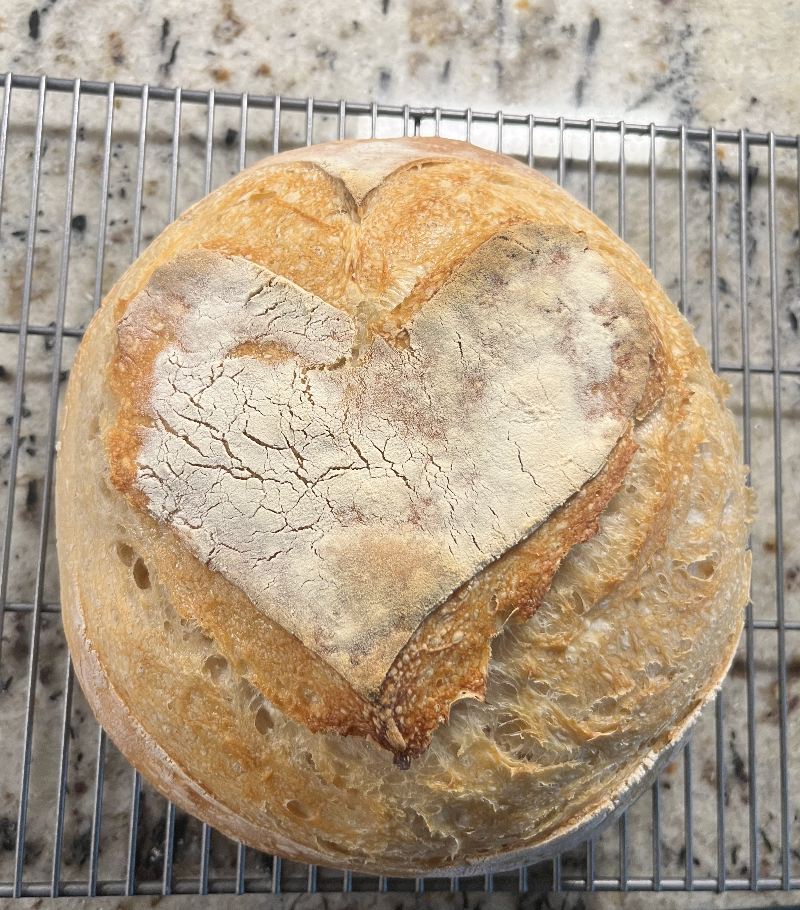
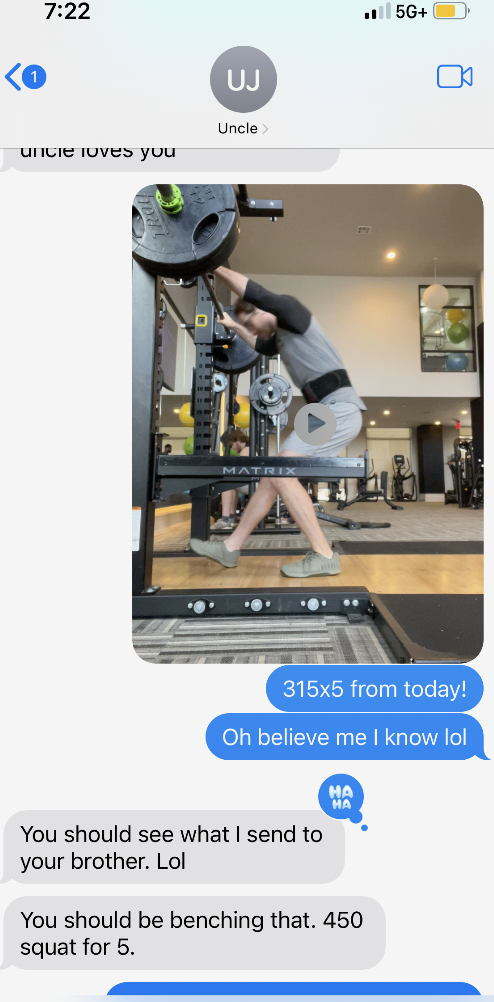
P.S. Heart shaped sourdough, puppies, and supportive uncles - we’ve got it all over here!

3 Steps You Can Take
Apply for coaching - If you’re ready to start, you can fill out a coaching application here (it takes 90 seconds or less). Best case, you change your life. Worst case, I’ll help you draw up a road map to get closer to your goals.
Sign up for my newsletter - If you’d like to hear more, sign up for my mailing list here.
Keep learning - You can check out my other articles here. Nobody asked me to, but I’ve spent a ton of time researching everything from artificial sweeteners to saturated fat to testosterone and more, so you don’t have to.
